

Call Us for Better Health at
At Holistic Vitality Center, we believe that true healing extends far beyond supplements, medications, or laboratory testing. The daily choices you make—how you eat, move, manage stress, sleep, and care for yourself—create the foundation upon which lasting health is built.
Through our functional medicine approach, we help patients identify practical lifestyle changes that support healing, reduce inflammation, improve resilience, and optimize overall well-being. The goal is not perfection. The goal is creating sustainable habits that fit your life and support your health for years to come.
Many people schedule meetings, appointments, and obligations for everyone else while neglecting their own needs. Unfortunately, chronic self-neglect often contributes to fatigue, hormonal imbalances, digestive dysfunction, chronic pain, and burnout.
Self-care is not selfish. It is a necessary investment in your physical and mental health. Consider scheduling time for:

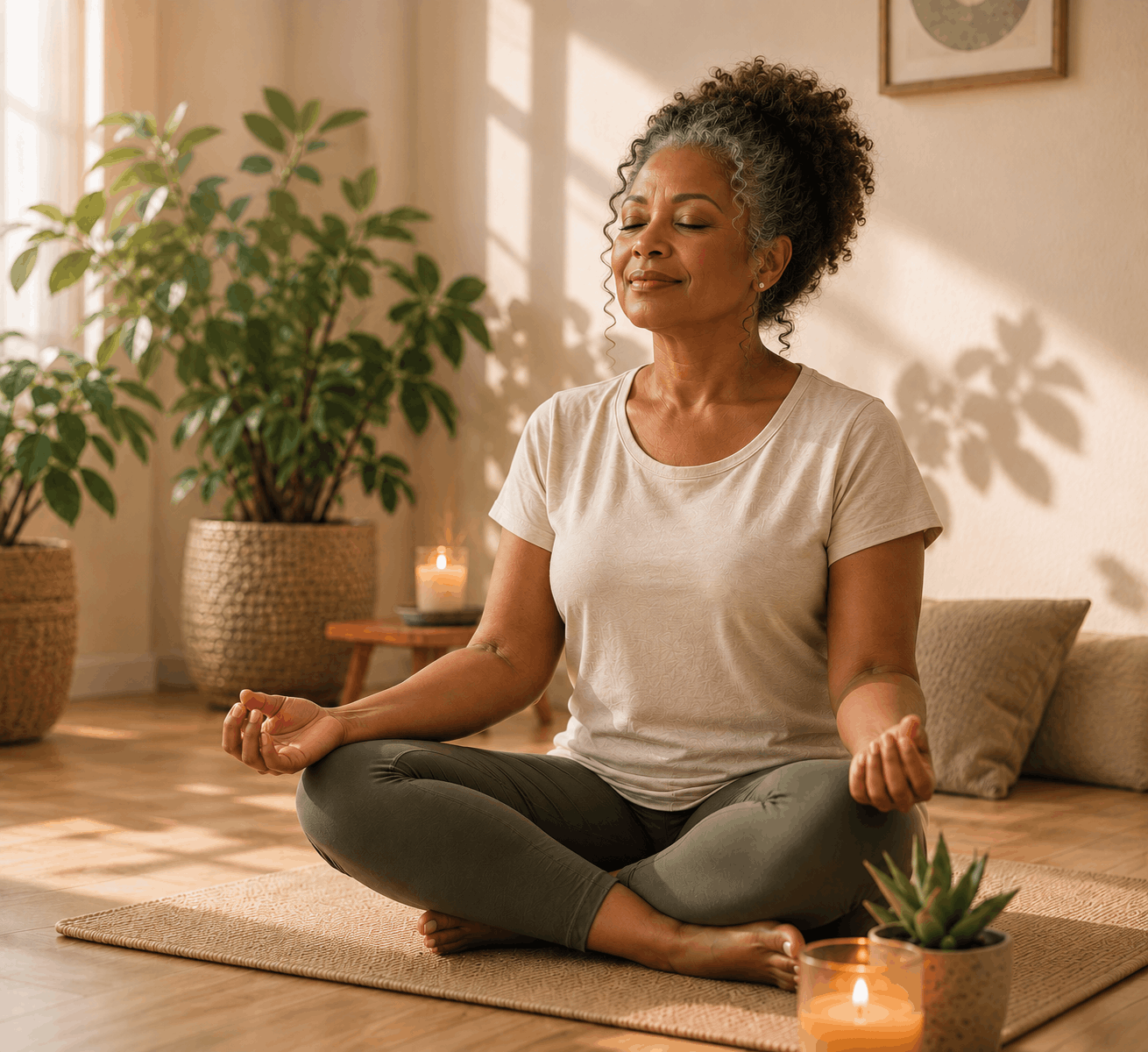
Many people think meditation requires sitting silently for long periods with a completely clear mind. In reality, meditation comes in many forms, and finding the method that works best for you is often the key to success.
Guided meditation uses a teacher, recording, app, or program to walk you through breathing exercises, visualization, mindfulness, or relaxation techniques.
Certain tools can help the nervous system shift into a calmer state, including:
For many people, movement creates a meditative state more effectively than sitting still. Examples include:
The purpose of meditation is not to eliminate thoughts—it is to create moments where your body can move out of “fight-or-flight” mode and into a state of recovery and healing.
Mindfulness is the practice of paying attention to the present moment without judgment.
Many of us rush through our days multitasking, scrolling on our phones, eating while working, and constantly thinking about what comes next. Over time, this can increase stress and disconnect us from our body’s signals.
Eating mindfully can improve digestion, satisfaction, and awareness of hunger and fullness cues. Try to:
Mindfulness can also be practiced during everyday tasks. Examples include:

Gratitude is a powerful tool for shifting the brain’s focus away from stress, worry, and negativity.
A daily gratitude practice can help improve emotional resilience, perspective, and overall well-being.
Consider writing down:
This simple practice often takes less than five minutes but can have lasting effects on mood and mindset.
One of the most empowering skills you can develop is understanding what is actually in the foods you purchase. Marketing claims can often make processed foods appear healthier than they truly are. When reading labels, pay attention to:
Look for:
Limit foods containing:
This simple practice often takes less than five minutes but can have lasting effects on mood and mindset.
Sugar hides under many different names, including:
One of the most overlooked aspects of health is learning to protect your time and energy.
Many people struggle with saying “yes” to everyone else while consistently saying “no” to themselves.
Healthy boundaries may include:
Your body cannot heal if it is constantly operating in survival mode. Setting boundaries allows space for recovery, growth, and wellness.
Exercise does not have to involve spending hours in a gym. The human body was designed to move, and regular movement supports nearly every aspect of health, including:
Examples of movement include:
Even small changes such as taking walking breaks, using stairs, stretching throughout the day, or standing more often can significantly improve health over time.
The best exercise program is the one you enjoy and can consistently maintain.

Water is essential for nearly every process in the body.
Proper hydration supports:
Symptoms of inadequate hydration may include:
Simple hydration strategies include:
Solve the root causes of your health issues. Our services are provided virtually via phone or internet.


Personalized Functional Medicine That Looks at the Whole You